Curious About Seeing Layers in Canva? Here's How
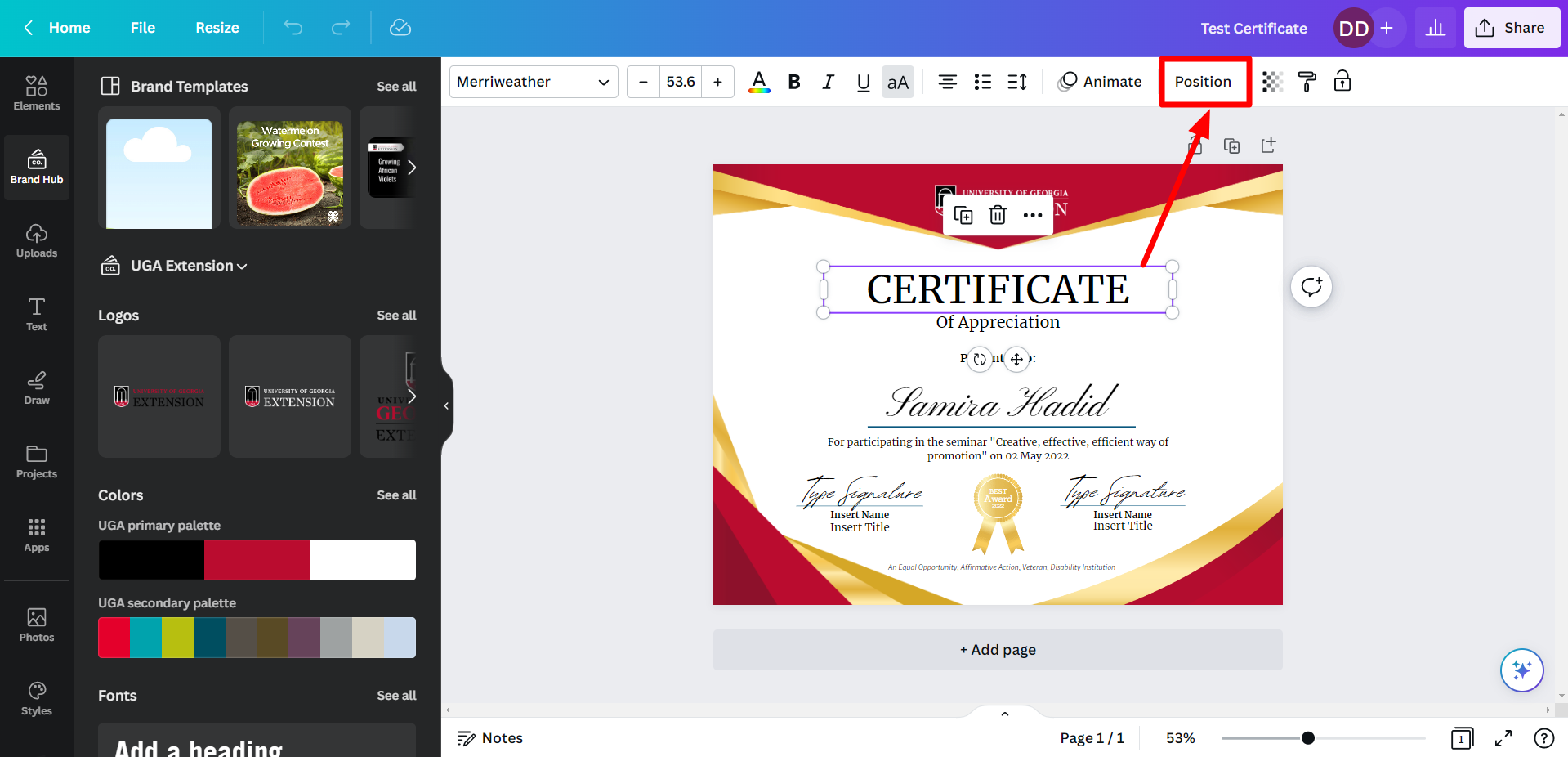
Embarking on a design journey with Canva involves understanding the core element that brings your creative ideas to life: layers. In Canva, layers serve as the building blocks of your design, allowing you to organize, manipulate, and customize various elements with precision. Let's delve into the key aspects of understanding Canva layers:
The Basics of Canva Layers
At its essence, a layer is a separate level within your design canvas, akin to stacking sheets of transparent paper. Each layer can contain different elements such as text, images, shapes, or icons. The arrangement of these layers determines how they overlap and interact, forming the visual hierarchy of your design.
Significance in Design
The concept of layers is pivotal in design as it grants you control over the placement and order of elements. Whether you want to bring an object to the forefront or push it to the background, layers empower you to create depth and dimension in your designs. This flexibility is especially valuable when crafting intricate visuals for presentations, social media graphics, or marketing materials.
Navigating the Layer Panel
To access and manage layers in Canva, locate the Layer Panel typically situated on the right side of the interface. Here, you'll find a list of all the elements in your design, each represented by a distinct layer. The Layer Panel allows you to lock, hide, duplicate, or delete layers, providing a comprehensive toolkit for organizing your design elements efficiently.
Layer Attributes and Styles
Each layer in Canva comes with its own set of attributes and styles that you can customize. Whether adjusting the opacity, applying filters, or altering the blend mode, these features enable you to fine-tune the appearance of individual layers. Experimenting with layer styles allows you to achieve the desired visual effects for your design.
Layering Tips for Success
Mastering Canva layers involves adopting some best practices. Here are key tips to optimize your layering experience:
- Organize Effectively: Group related elements into folders to maintain a structured and orderly design.
- Naming Conventions: Assign clear and descriptive names to your layers for easy identification and editing.
- Use of Shortcuts: Explore keyboard shortcuts to expedite your workflow when working with layers in Canva.
How to Access Layers in Canva
Unlocking the full potential of Canva begins with the ability to seamlessly access and manipulate layers. Whether you're a novice or an experienced designer, understanding the process of accessing layers is fundamental. Let's explore the step-by-step guide to navigating the layers in Canva:
Locating the Layer Panel
The hub for all your layer-related activities in Canva is the Layer Panel. To access it, look for the panel on the right-hand side of the interface. It typically features a stack of squares, symbolizing the layers, making it easily identifiable.
Selecting Elements
To access a specific layer, simply click on the element on your canvas. Canva will automatically highlight the corresponding layer in the Layer Panel, providing a direct link between the visual representation on the canvas and the layer organization.
Layer Panel Functions
Within the Layer Panel, you'll find a variety of functions that empower you to manage your layers efficiently:
- Lock: Prevent accidental changes to a layer by locking it.
- Hide: Temporarily remove a layer from view without deleting it.
- Duplicate: Create a copy of a layer for quick replication.
- Delete: Remove unwanted layers from your design.
Reordering Layers
Changing the stacking order of layers is straightforward. Click and drag a layer within the Layer Panel to rearrange its position on the canvas. This feature is invaluable when adjusting the visibility and prominence of different design elements.
Visibility Options
Enhance your workflow by utilizing visibility options. The eye icon next to each layer allows you to toggle the visibility on and off, providing a clear view of specific elements during the design process.
Keyboard Shortcuts
For a more streamlined experience, familiarize yourself with keyboard shortcuts. These shortcuts can significantly speed up your interaction with layers, offering a quicker and more efficient design process.
Working with Layers: Tips and Tricks
As you dive deeper into the creative realm of Canva, honing your skills in working with layers becomes essential. This section unveils various tips and tricks to elevate your design game and make the most out of the layering functionality in Canva.
Layer Organization
Grouping Elements: Streamline your design by grouping related elements. This can be achieved by selecting multiple layers, right-clicking, and choosing the 'Group' option. Grouped layers can then be managed collectively for easy organization.
Color-Coding: Assign distinct colors to different layers for visual clarity. Right-click on a layer, choose 'Color,' and pick a color to customize the layer's appearance in the Layer Panel.
Efficient Editing
Layer Locking: Prevent unintentional edits by locking layers you don't currently need to modify. Right-click on a layer and select 'Lock' to safeguard its content from accidental changes.
Opacity Adjustments: Experiment with layer opacity to create subtle or bold visual effects. Use the opacity slider in the Layer Panel to control the transparency of individual layers.
Advanced Techniques
Blend Modes: Explore blend modes to achieve unique visual effects by controlling how layers interact with each other. From 'Normal' to 'Multiply' and 'Overlay,' blend modes open up a wide range of creative possibilities.
Text Effects: Enhance text elements by applying effects through the Layer Panel. Experiment with shadows, outlines, and other text effects to add depth and style to your typography.
Utilizing Canva Templates
Template Customization: Leverage Canva's extensive template library. When working with a template, customize individual layers to match your brand or personal style. Unleash your creativity by adjusting images, text, and other elements seamlessly.
Collaboration Features
Sharing and Collaborating: Take advantage of Canva's collaboration features by sharing your designs with team members or clients. Layers play a crucial role in collaborative projects, allowing multiple contributors to work on specific elements simultaneously.
Collaboration and Layers
Canva's collaborative features make it a powerful tool for teams working on design projects. Understanding how to effectively collaborate using layers is key to streamlining workflows and ensuring a seamless design process for all contributors.
Shared Layer Visibility
Real-Time Updates: One of the standout features of Canva is the ability to see real-time updates when collaborating on a design. As team members make changes to layers, those modifications are instantly reflected, fostering a dynamic and collaborative environment.
Layer Commenting
Enhanced Communication: Canva allows users to add comments directly to specific layers. This feature is invaluable for providing feedback, asking questions, or discussing design choices. Users can tag team members to ensure that comments are directed to the right individuals.
Permission Settings
Controlled Access: Canva's permission settings enable you to control who can edit, view, or comment on layers within a design. This ensures that team members have the appropriate level of access, maintaining design integrity and project security.
Version History
Design Iterations: The version history feature in Canva allows you to revisit previous states of a design. This is particularly beneficial when collaborating on layers, as it enables you to track changes, compare iterations, and revert to earlier versions if needed.
Layer Ownership
Assigned Responsibilities: Assigning ownership of specific layers to team members helps distribute responsibilities. This is especially useful in complex projects where different individuals are responsible for distinct design elements. Ownership ensures accountability and a clear division of tasks.
Using Tables for Task Assignments
Task Management: Create a table within your Canva design to outline tasks related to different layers. This visual representation can serve as a project roadmap, clearly defining who is responsible for each layer and tracking the status of tasks in a collaborative setting.
Meeting Collaboration Deadlines
Deadline Tracking: Incorporate layer-specific deadlines into your collaborative workspace. Clearly defined timelines for each layer ensure that the entire team is aware of project milestones, fostering a collaborative environment that thrives on efficiency.
FAQ
As you explore the intricacies of Canva layers, you may encounter questions that warrant clarification. Below are some frequently asked questions along with detailed answers to enhance your understanding of working with layers in Canva:
Q1: What are Canva layers?
A: Canva layers are individual levels within your design canvas that allow you to organize and manipulate different elements. These elements can include text, images, shapes, and more. Layers determine the stacking order of elements, influencing how they appear in your design.
Q2: How do I access the Layer Panel in Canva?
A: To access the Layer Panel in Canva, look for the stack of squares icon usually located on the right side of the interface. Clicking on this icon will open the Layer Panel, providing an overview of all elements present in your design.
Q3: Can I group layers in Canva?
A: Yes, you can group related layers in Canva. To do this, select the layers you want to group, right-click, and choose the 'Group' option. Grouping layers helps maintain a structured design by allowing you to manipulate multiple elements simultaneously.
Q4: How can I change the order of layers?
A: Changing the order of layers in Canva is simple. In the Layer Panel, click and drag a layer to reposition it within the stacking order. This rearrangement influences the visibility and prominence of elements on your canvas.
Q5: Are there keyboard shortcuts for working with layers?
A: Yes, Canva provides keyboard shortcuts to expedite your interaction with layers. For example, pressing Ctrl (or Command) + G can group selected layers, and Ctrl (or Command) + can move layers up or down in the stacking order, respectively.
Q6: Can I customize the appearance of individual layers?
A: Absolutely. Each layer in Canva comes with its own set of attributes and styles. In the Layer Panel, you can adjust opacity, apply filters, and explore various styling options to customize the appearance of individual layers according to your design preferences.
Q7: How does collaboration work with Canva layers?
A: Canva offers robust collaboration features for working with layers. Real-time updates, layer commenting, permission settings, and version history ensure a smooth collaborative experience. Team members can collaborate seamlessly on different layers of a design project.
Q8: Is there a way to track changes made to layers?
A: Yes, the version history feature in Canva allows you to track changes made to layers over time. This feature is beneficial for reviewing design iterations, comparing changes, and reverting to previous versions if needed.
Showcasing Layered Designs
Unlocking the full potential of Canva layers can result in visually stunning and impactful designs. Let's explore how the effective use of layers can elevate your design projects, accompanied by inspiring examples and case studies:
The Art of Layering
Depth and Dimension: Layers in Canva allow you to create depth and dimension within your designs. By strategically placing elements on different layers, you can achieve a sense of foreground and background, adding visual interest to your creations.
Visual Hierarchy: Utilizing layers enables you to establish a clear visual hierarchy in your designs. Whether it's emphasizing a key message with a prominent text layer or framing your content with background elements, layers empower you to guide the viewer's attention.
Inspiring Examples
Explore the following examples to witness the diverse applications of layered designs:
- Social Media Graphics: Craft eye-catching social media posts by layering images, text, and icons. Experiment with overlay effects and blending modes to create unique visuals that stand out in the social media landscape.
- Presentation Slides: Elevate your presentations by layering images, charts, and text. Use transitions between layers to create a seamless flow, engaging your audience visually as you convey your message.
- Print Materials: Design striking print materials such as flyers or posters by layering images and text. Incorporate background layers to add texture or patterns, making your printed materials visually appealing.
Case Studies
Examining real-world case studies provides insights into the successful implementation of layered designs:
Project
Objective
Layering Strategy
Outcome
Product Packaging Redesign
Enhance Shelf Presence
Implemented layered elements for product images, brand messaging, and background patterns.
Resulted in a 20% increase in product visibility and consumer engagement.
Event Poster for Music Festival
Create Visual Impact
Used layered graphics, typography, and vibrant background effects.
Generated heightened excitement, leading to increased attendance at the festival.
Exploration and Experimentation
Unleash Your Creativity: Don't be afraid to experiment with layers in Canva. Try combining different elements, adjusting layer styles, and pushing the boundaries of design conventions. The beauty of layers lies in their flexibility, allowing you to explore and discover new possibilities.
Troubleshooting Layer Issues
While working with layers in Canva, encountering occasional challenges is normal. This section guides on identifying and resolving common issues related to layers, ensuring a smooth design experience.
1. Layers not Responding to Clicks
Description: If layers are not responding to clicks, it may be due to a locked layer.
Solution: Check the Layer Panel for locked layers (indicated by a lock icon). Unlock the layer by right-clicking and selecting 'Unlock,' allowing you to interact with its elements.
2. Elements Disappearing or Overlapping Incorrectly
Description: Elements may disappear or overlap incorrectly, disrupting the design.
Solution: Verify the stacking order of layers in the Layer Panel. Click and drag layers to rearrange them, ensuring the desired visibility and placement of elements.
3. Unable to Select Specific Elements
Description: Difficulty in selecting specific elements on the canvas.
Solution: Use the 'Select' tool in Canva to precisely choose elements. If elements are within a group, double-click to enter the group and select the desired element.
4. Unexpected Changes in Layer Opacity
Description: Opacity changes occur unexpectedly on layers.
Solution: Inspect the Layer Panel for opacity adjustments. Accidental changes can happen, so ensure the desired opacity levels are set for each layer.
5. Collaborative Editing Issues
Description: Challenges arise when collaborating on a design with others.
Solution: Confirm that collaborators have the appropriate permissions. Utilize the comments and version history features to communicate effectively and track changes made by team members.
6. Canva Performance Lag
Description: Lag or slow performance when working with layers.
Solution: Optimize your browser and Canva settings. Close unnecessary tabs, clear your browser cache and ensure your internet connection is stable. Consider using the Canva desktop app for enhanced performance.
7. Layer Effects Not Rendering Correctly
Description: Layer effects, such as filters or blend modes, not displaying as expected.
Solution: Double-check the compatibility of layer effects with the elements on your canvas. Experiment with different effects or adjust the layer order to achieve the desired outcome.
8. Issues with Layer Duplication
Description: Problems arise when duplicating layers.
Solution: Ensure that duplicated layers are not unintentionally placed behind other elements. Adjust the stacking order if needed and verify that the duplicated layer retains the desired attributes.
Conclusion
Embarking on the journey of exploring Canva layers has unveiled a world of creative possibilities and design intricacies. As we conclude this comprehensive guide, let's reflect on the key takeaways and the transformative impact that understanding and mastering Canva layers can have on your design ventures.
The Power of Layers
Organizational Mastery: Canva layers serve as the organizational backbone of your designs, allowing you to structure elements with precision. The ability to arrange, customize, and manipulate layers empowers you to create visually appealing and well-organized compositions.
Visual Depth and Impact: Layering is not merely a technical aspect; it is a creative tool that adds depth and impact to your designs.
https://fiverrpromotion.net/blog/curious-about-seeing-layers-in-canva-heres-how/
Comments
Post a Comment